- Featured Artist/Art
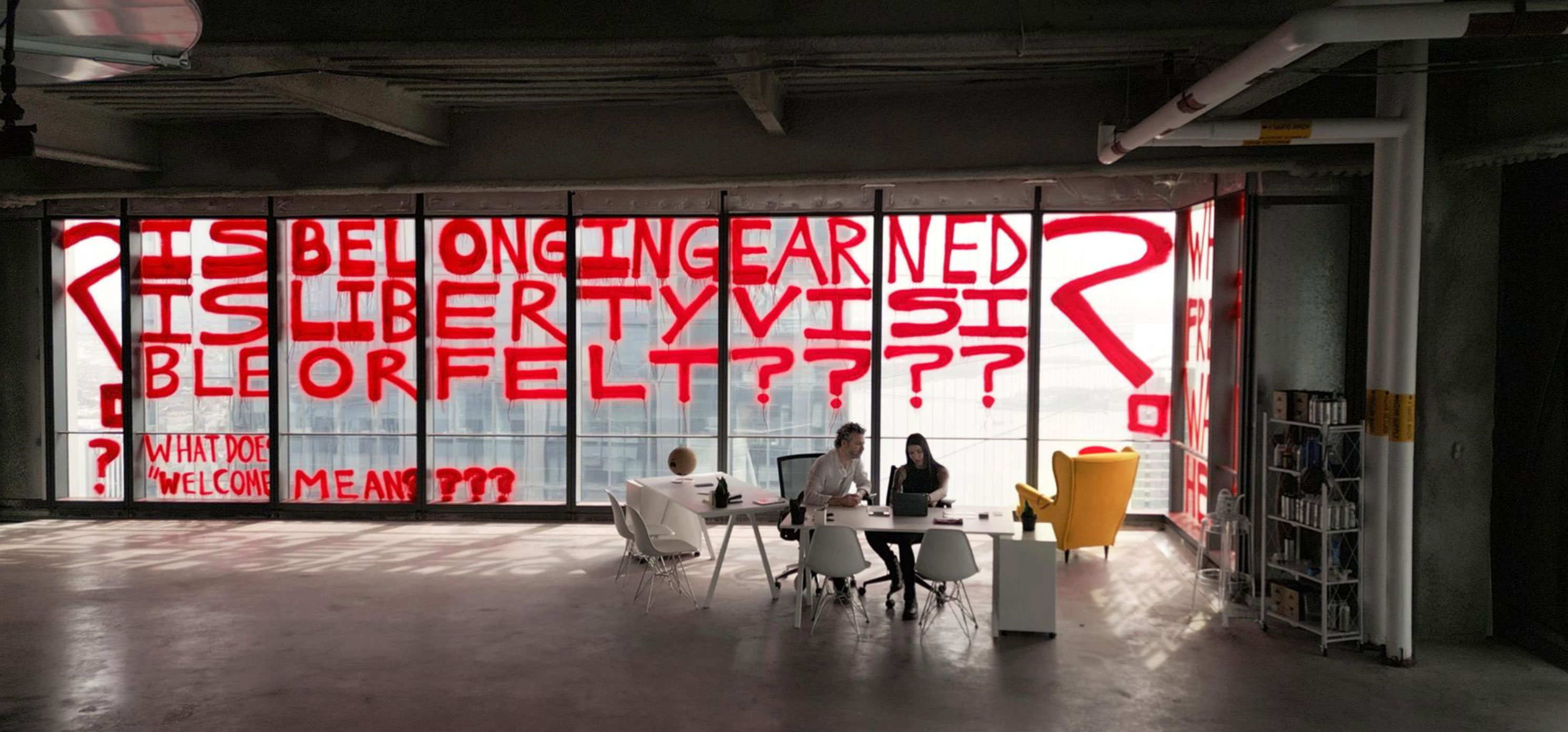
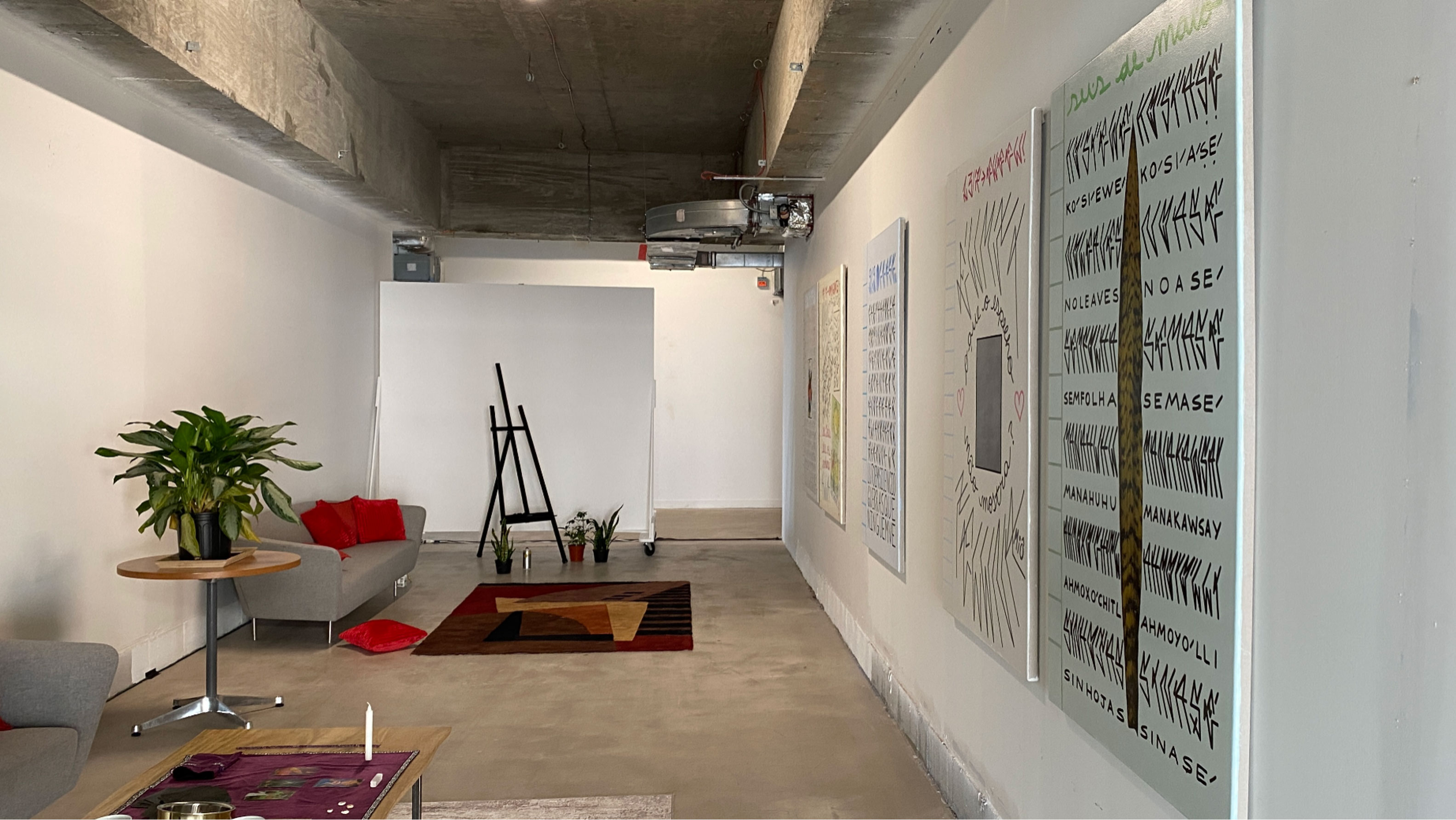
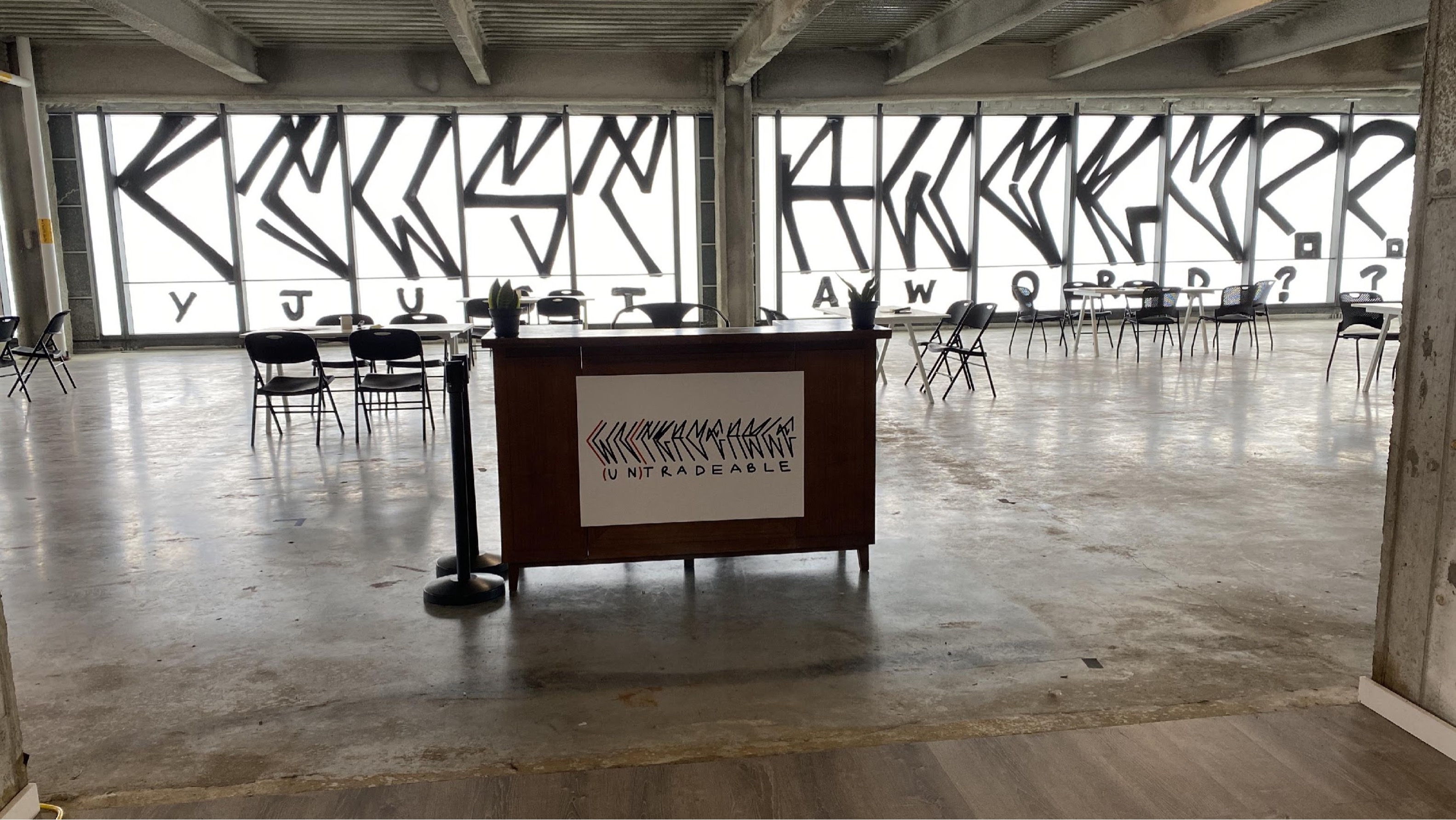
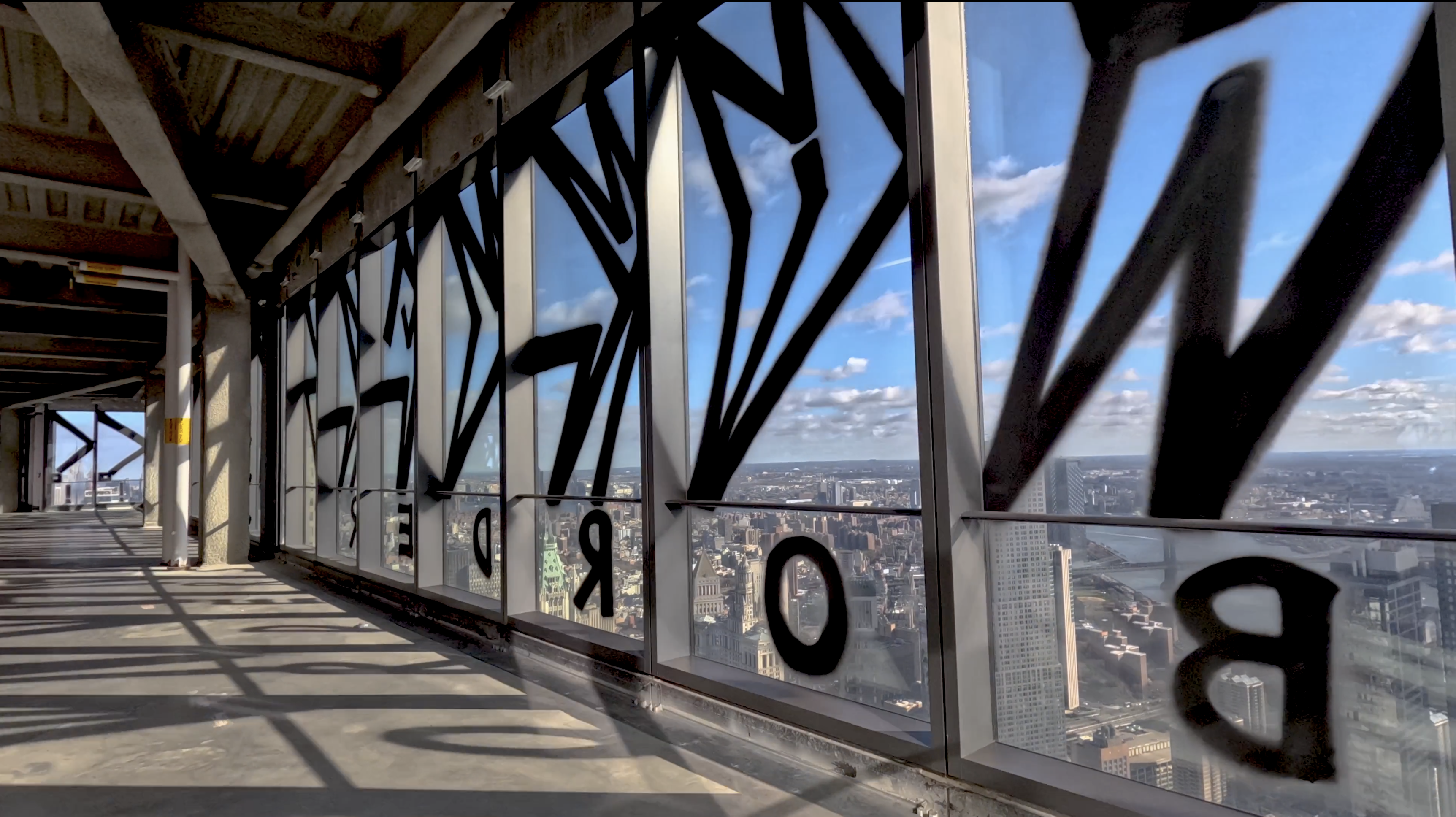
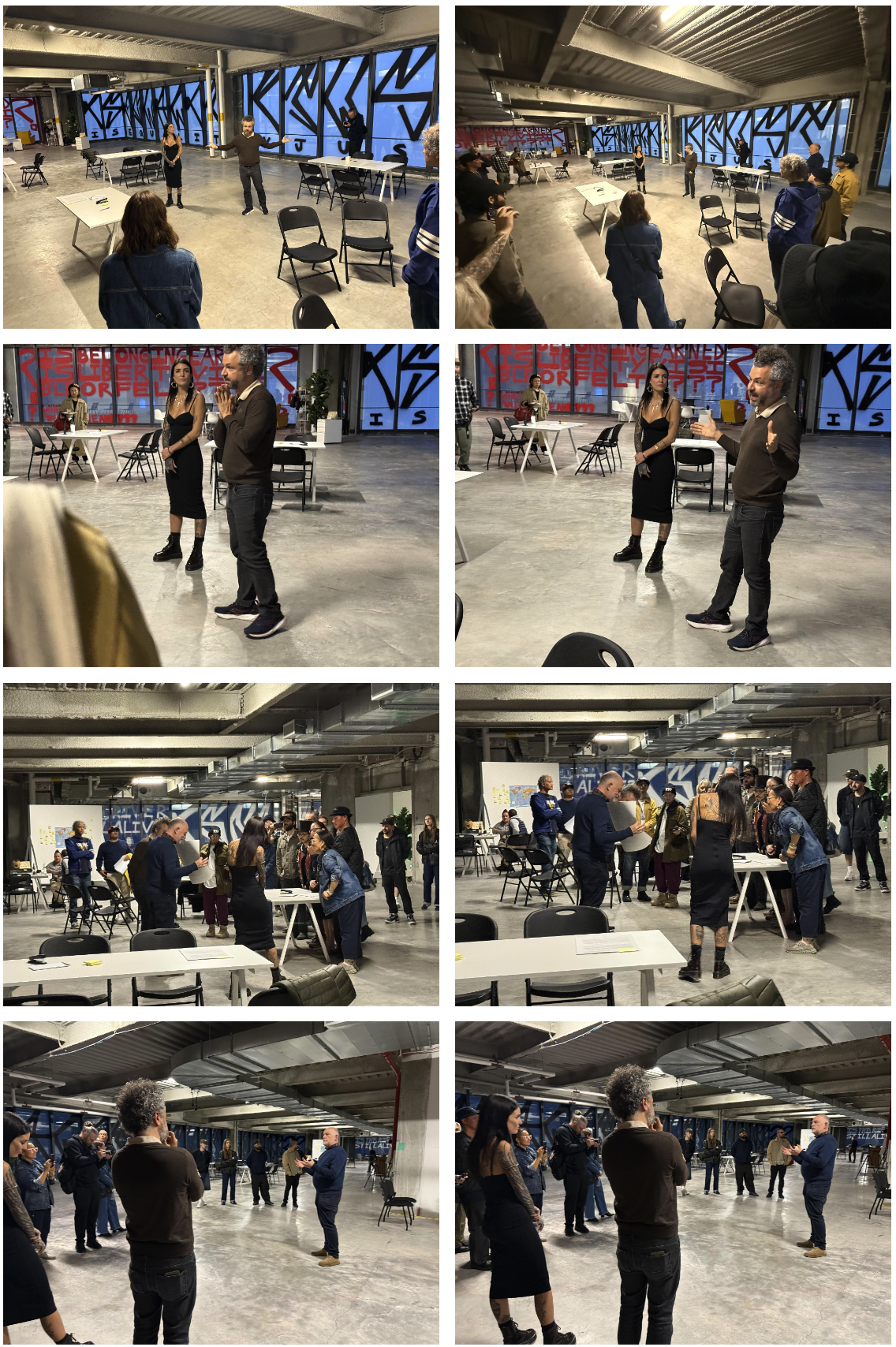
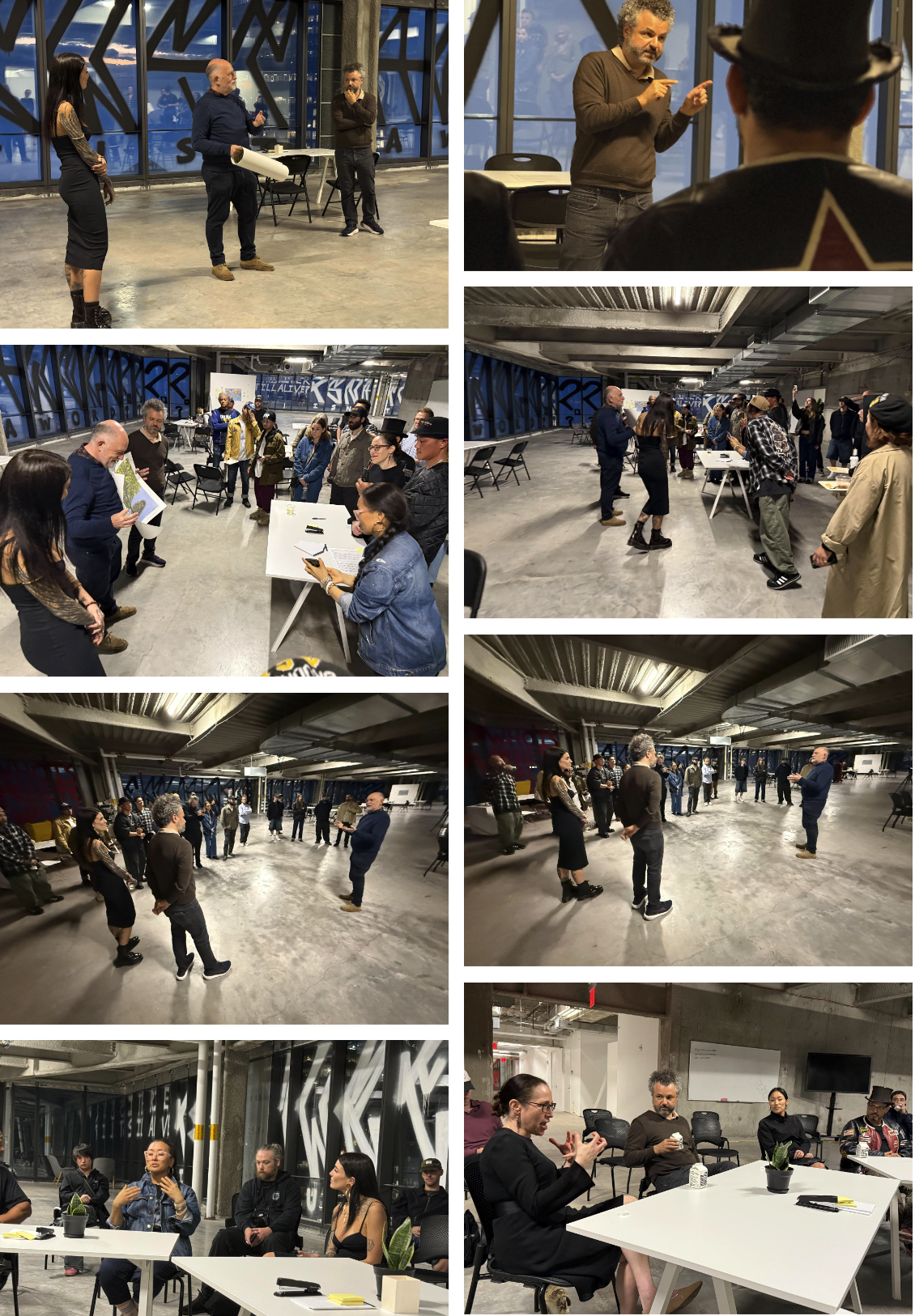
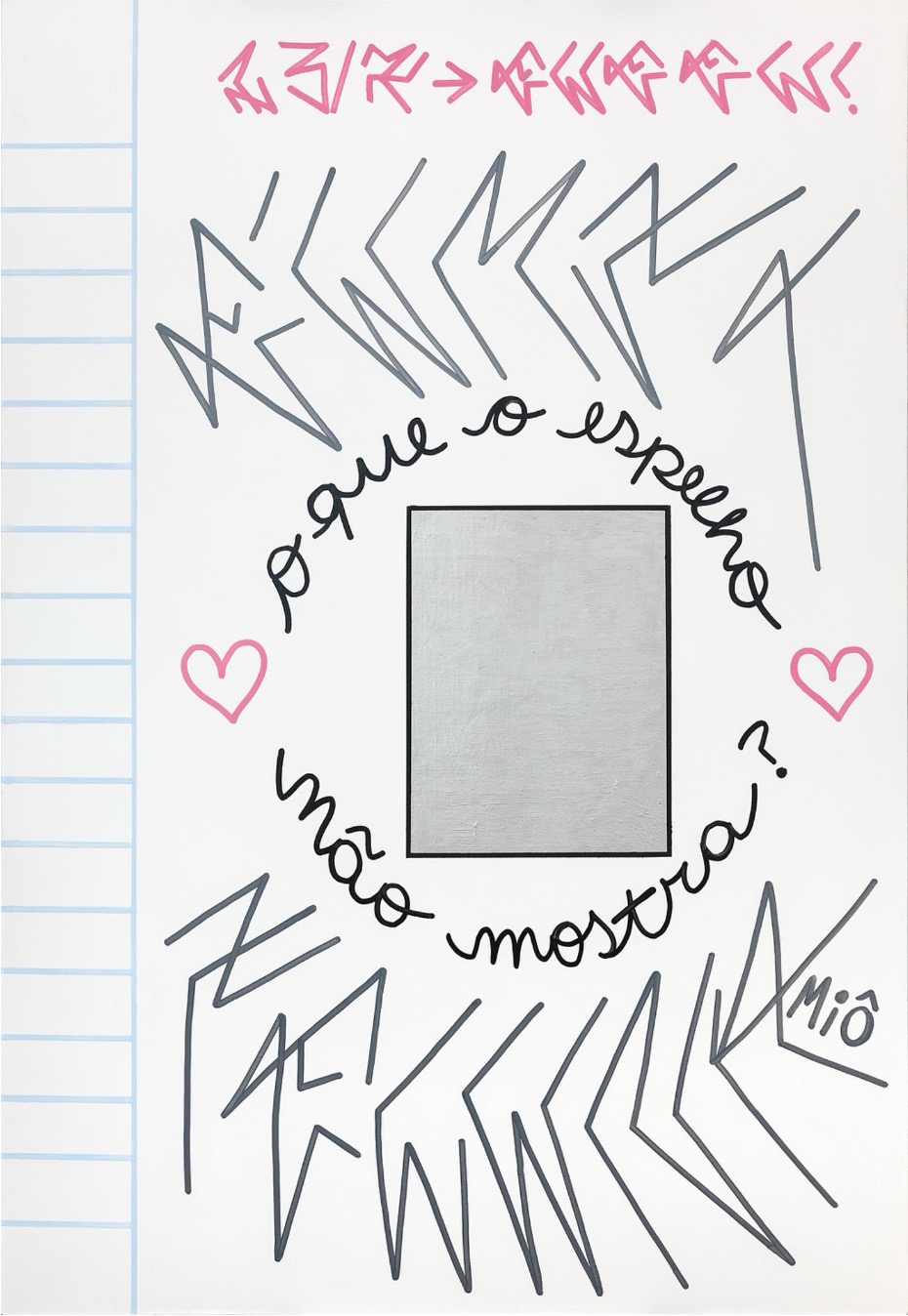
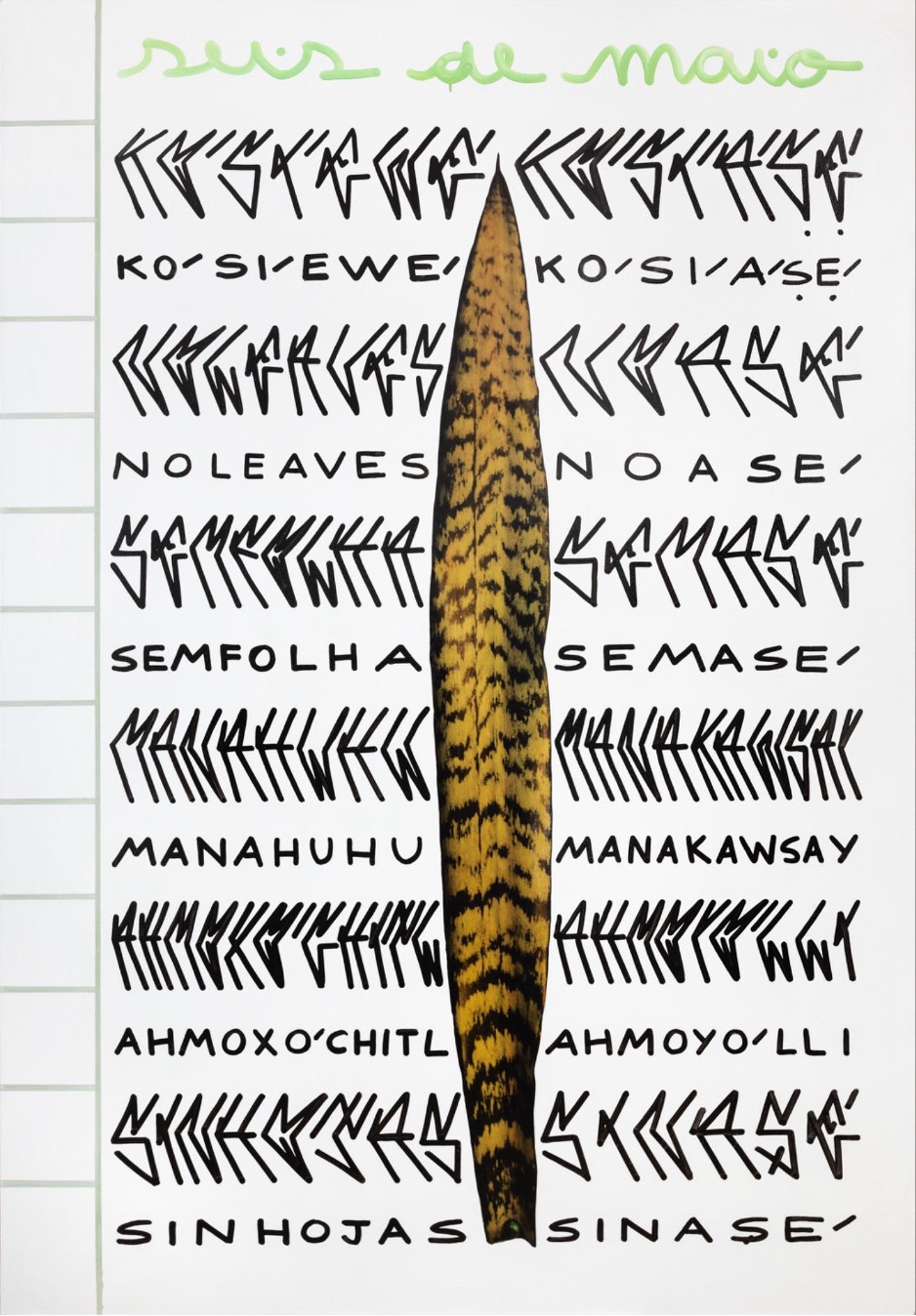
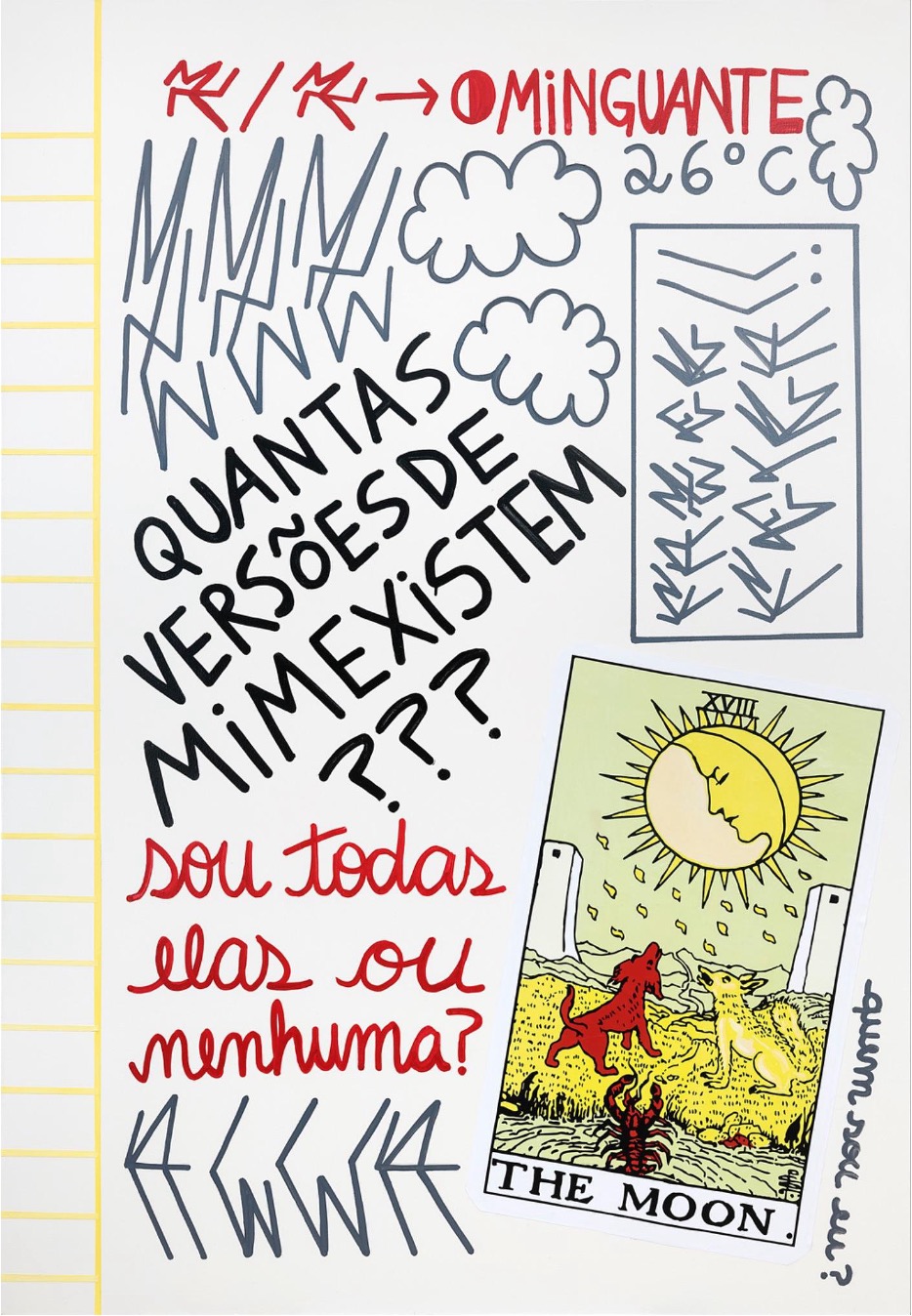
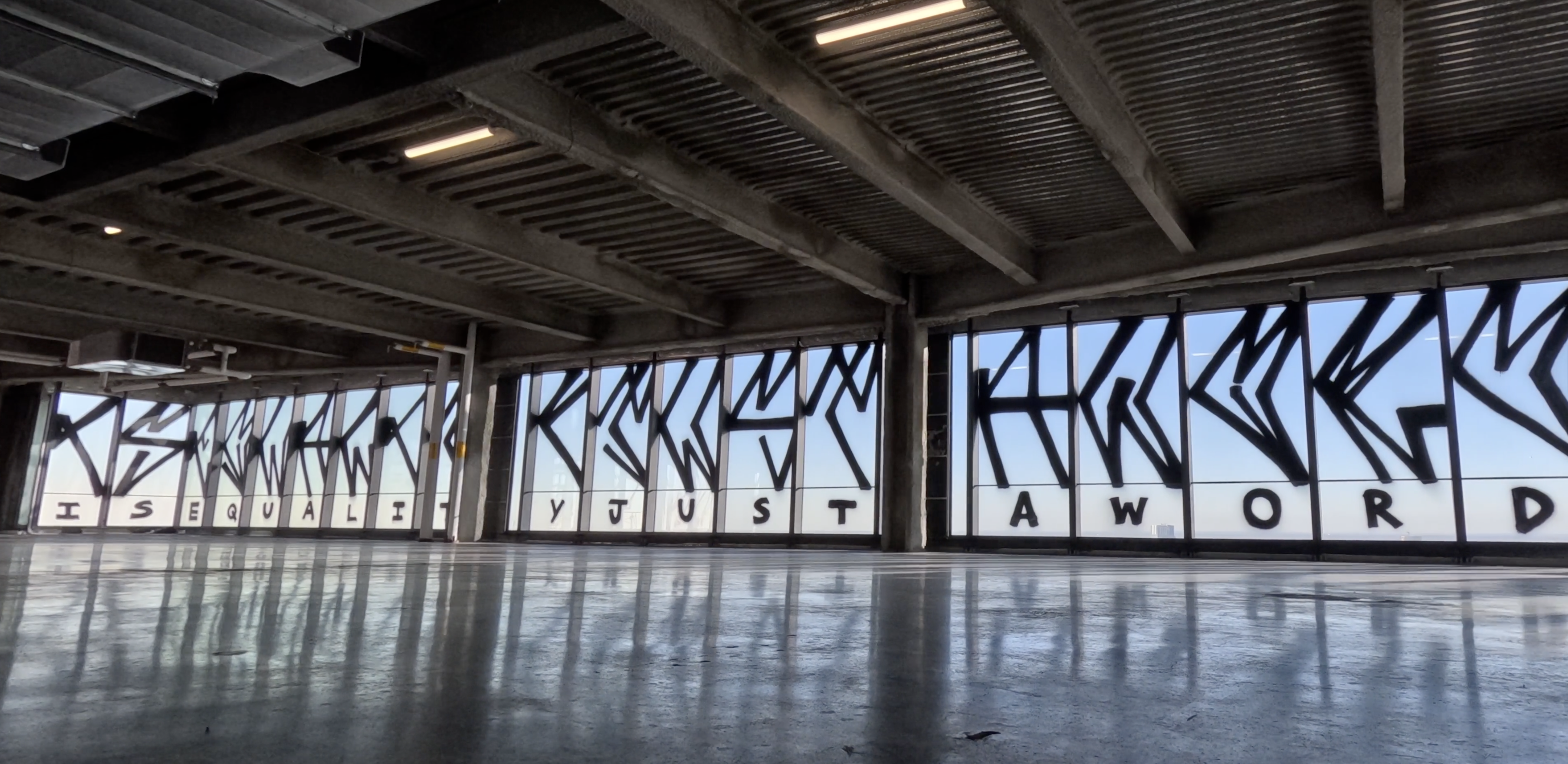
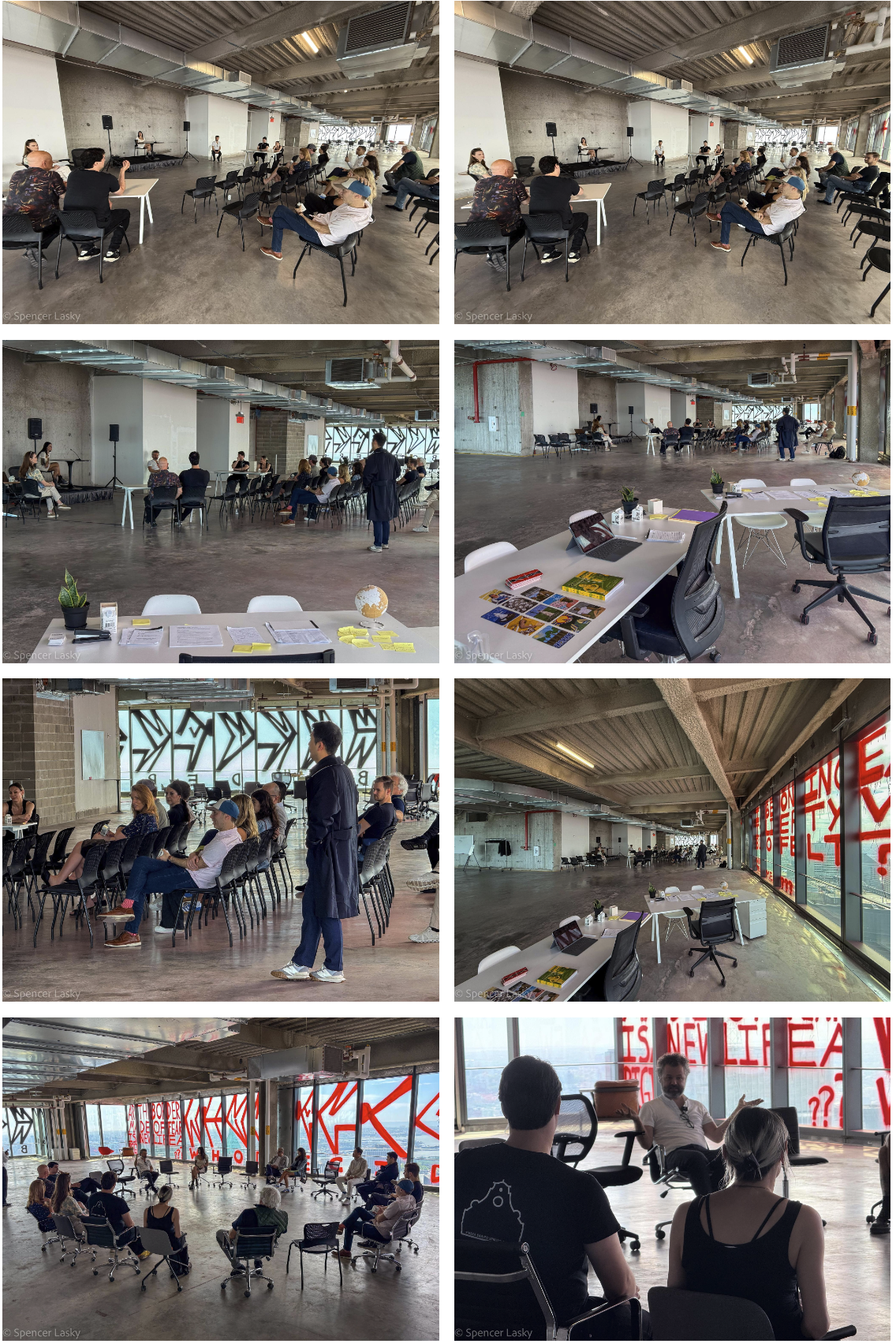
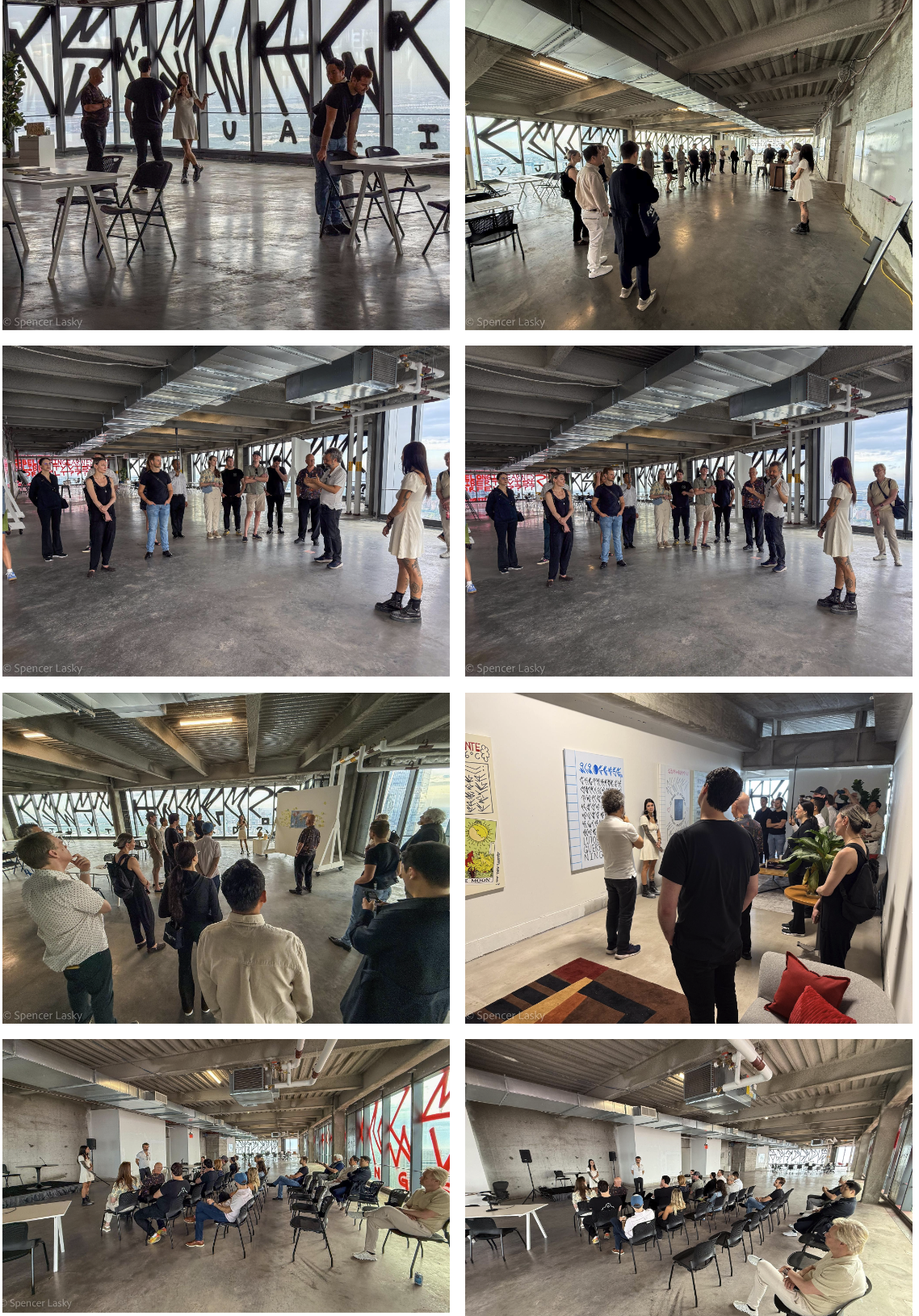
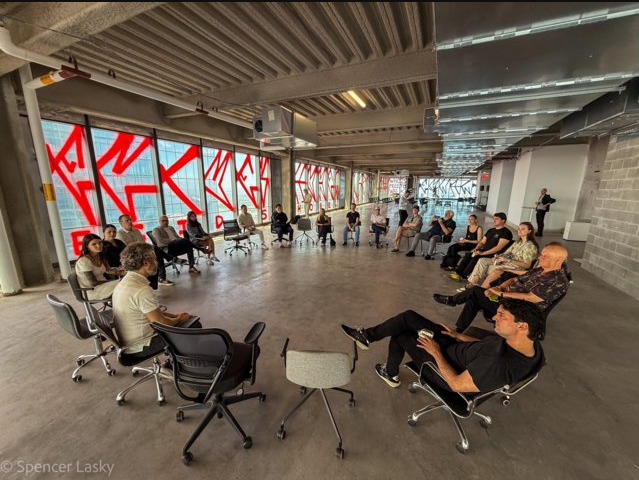
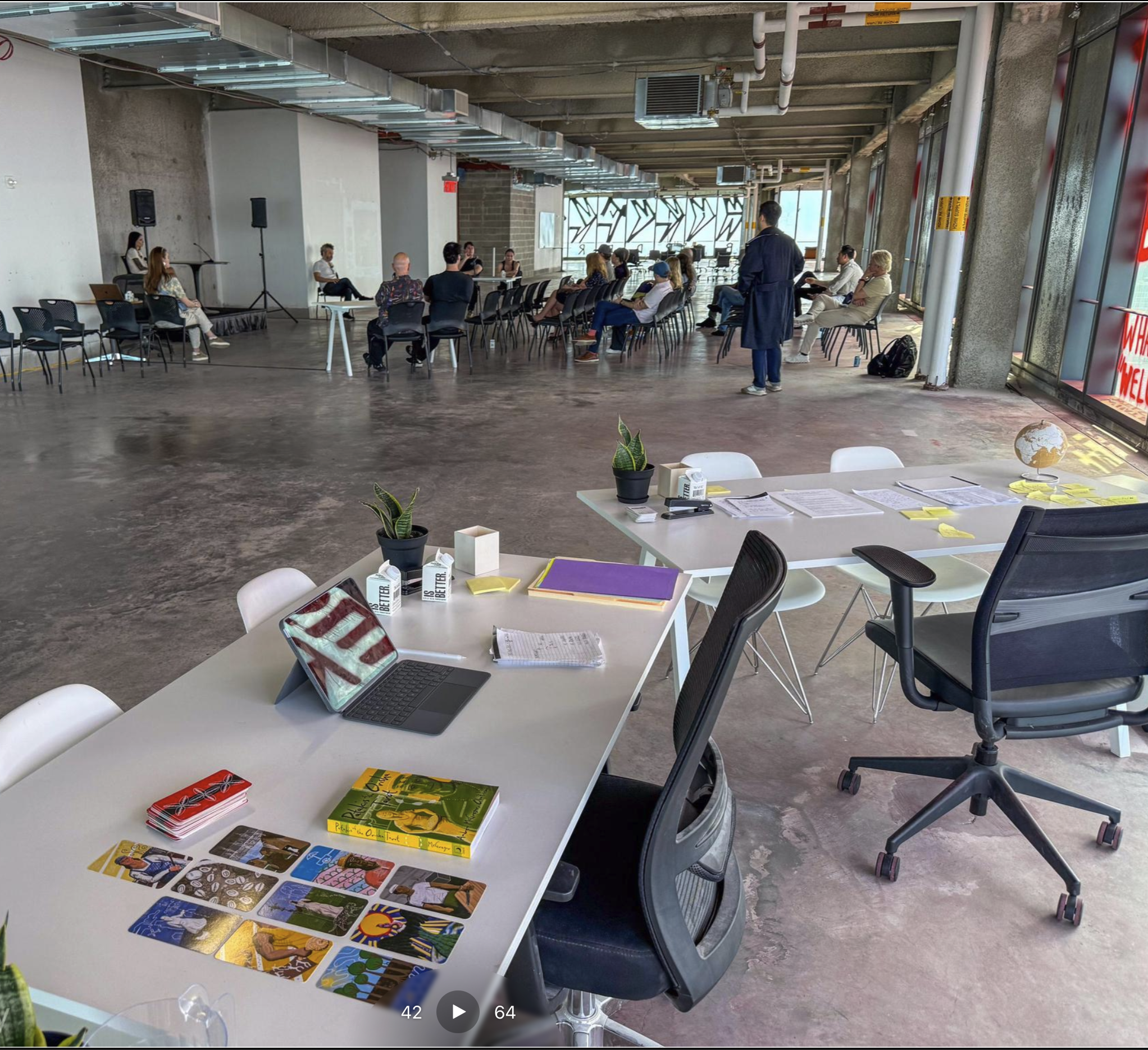
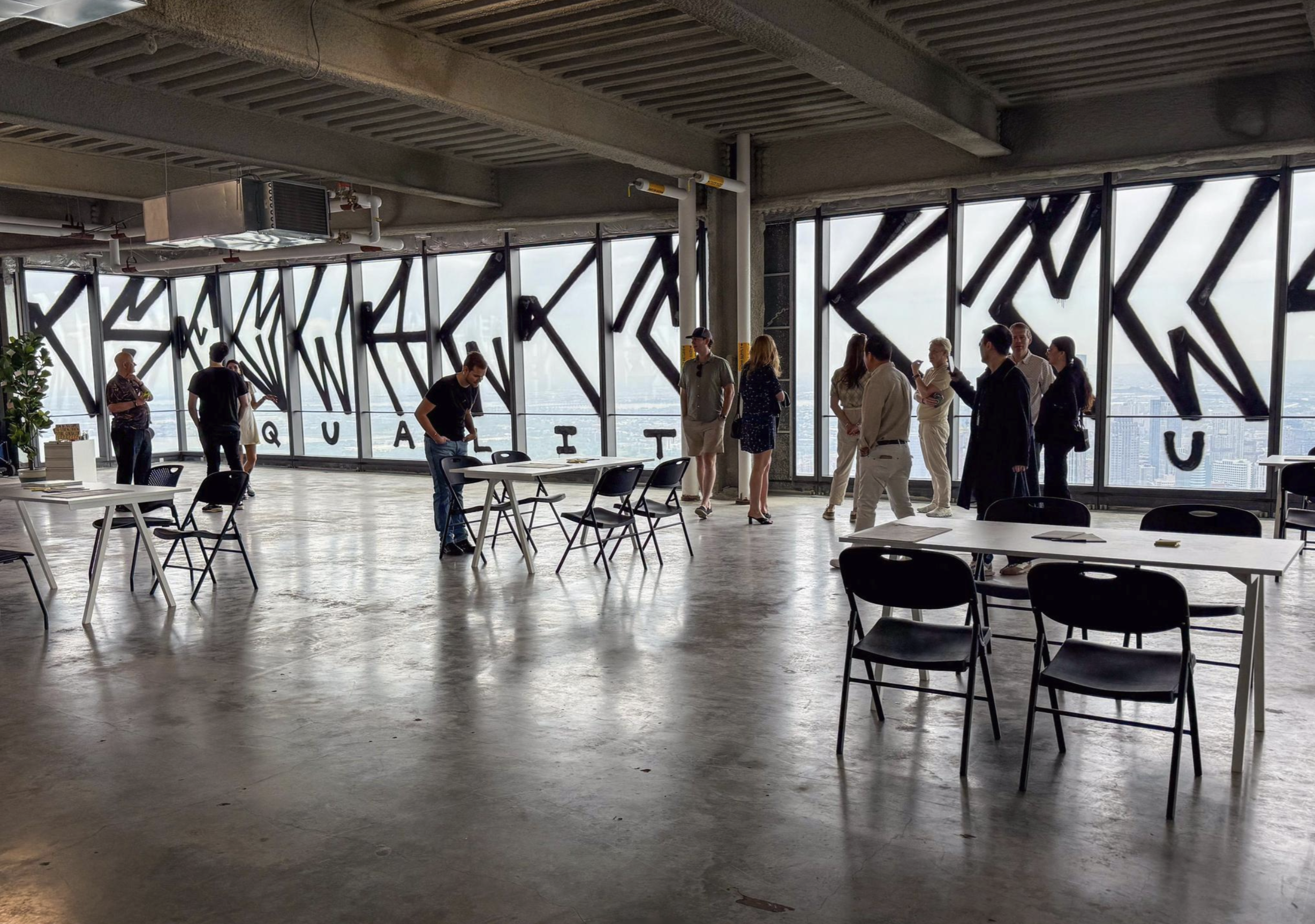
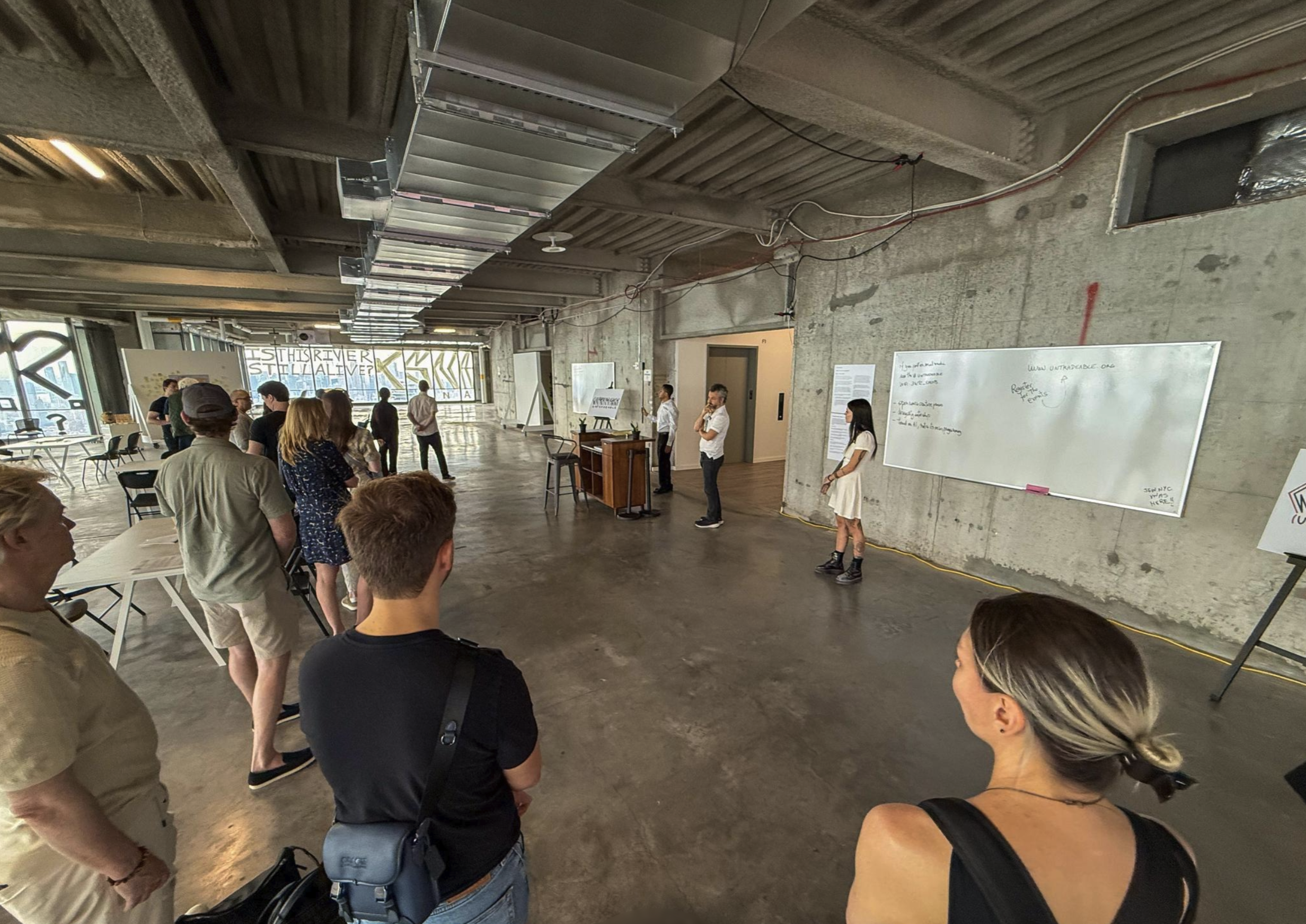
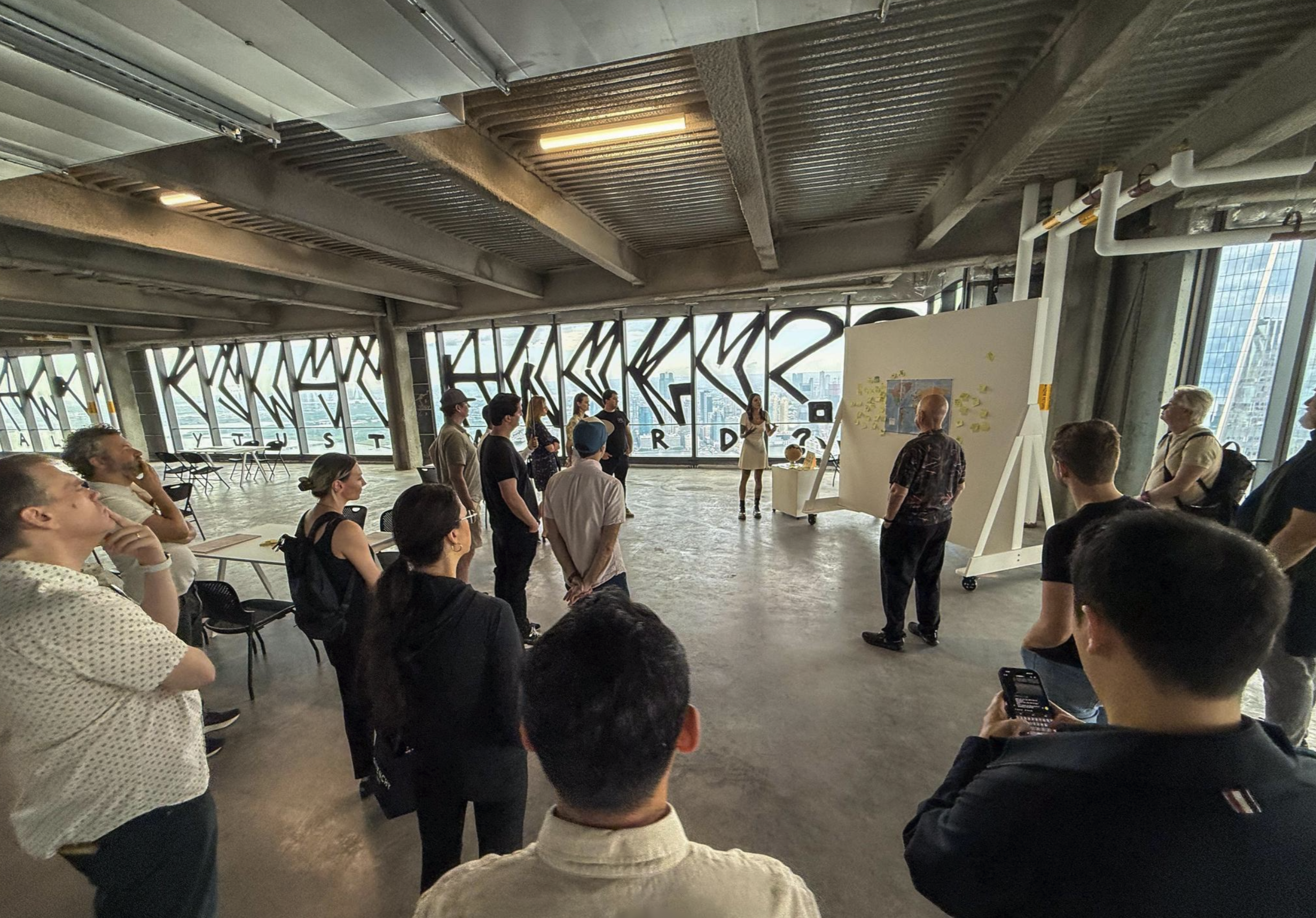
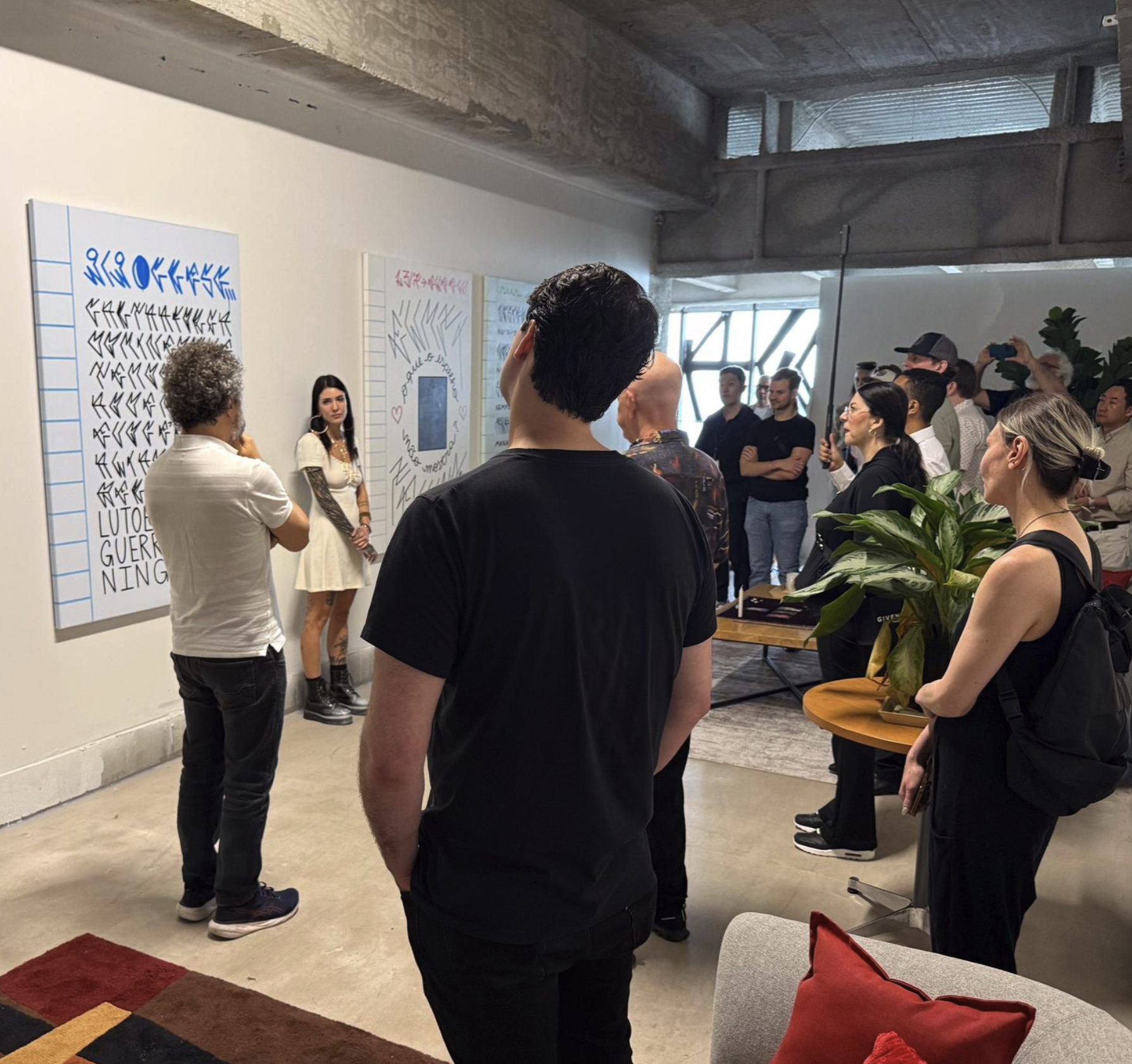
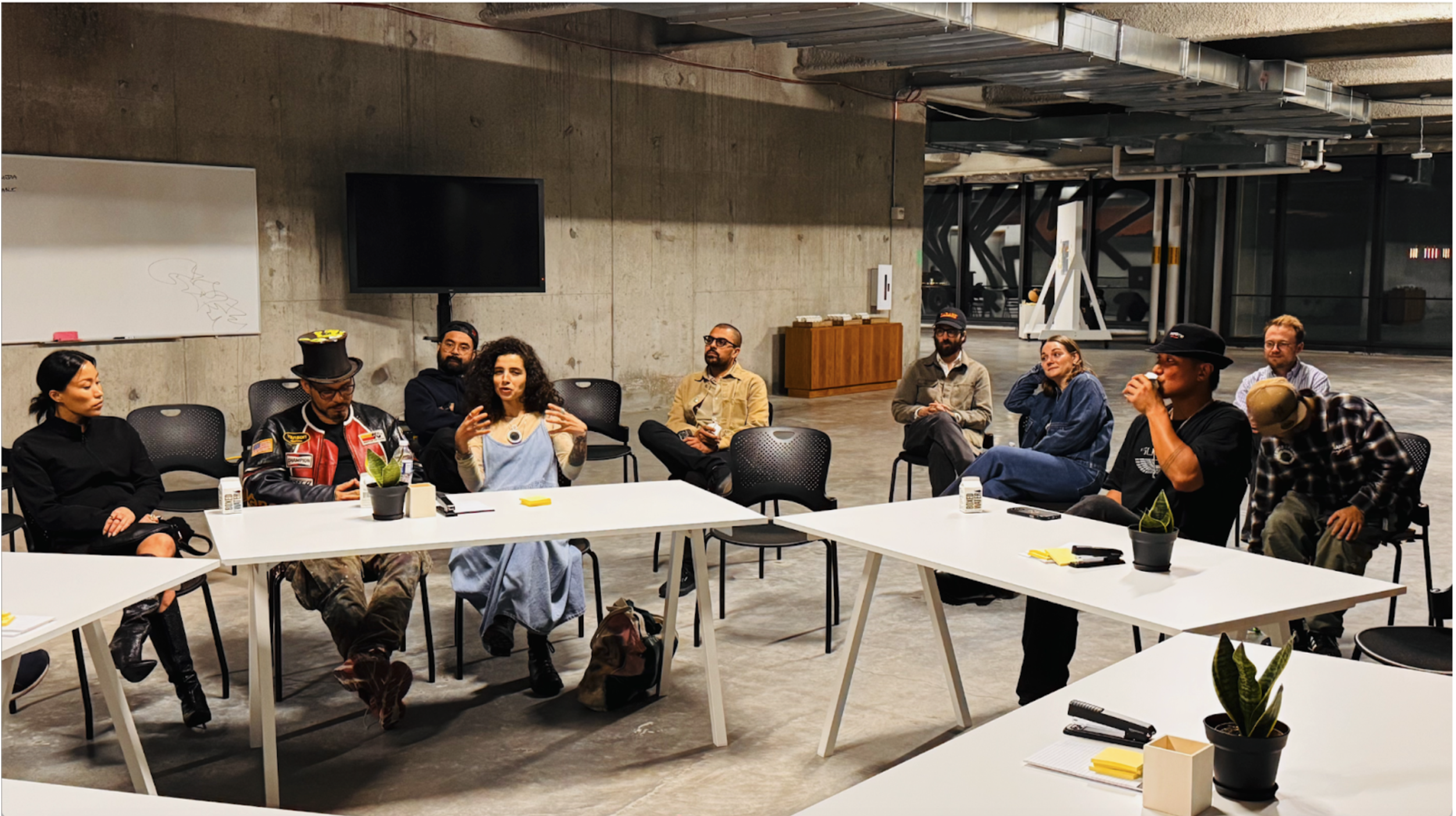
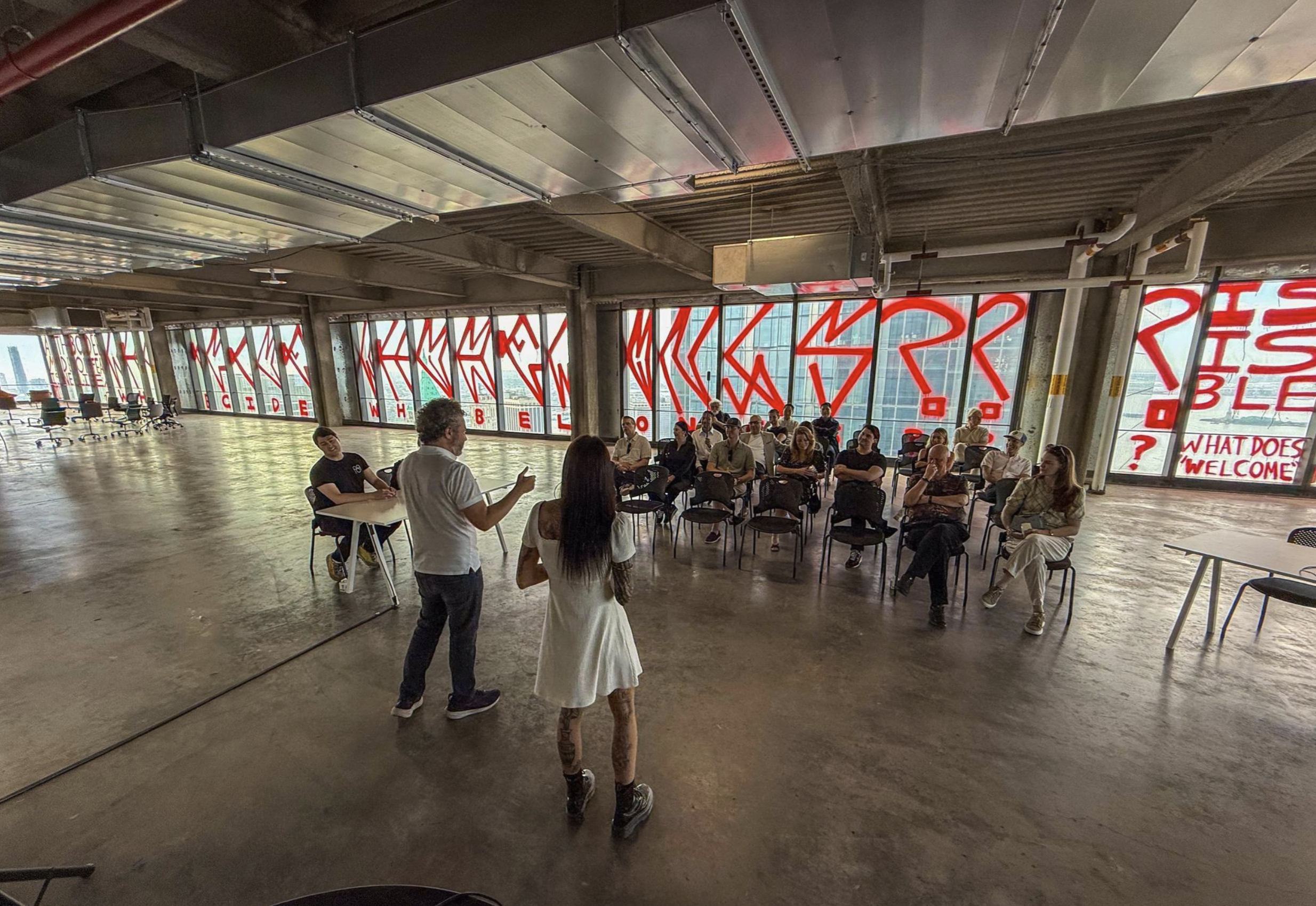
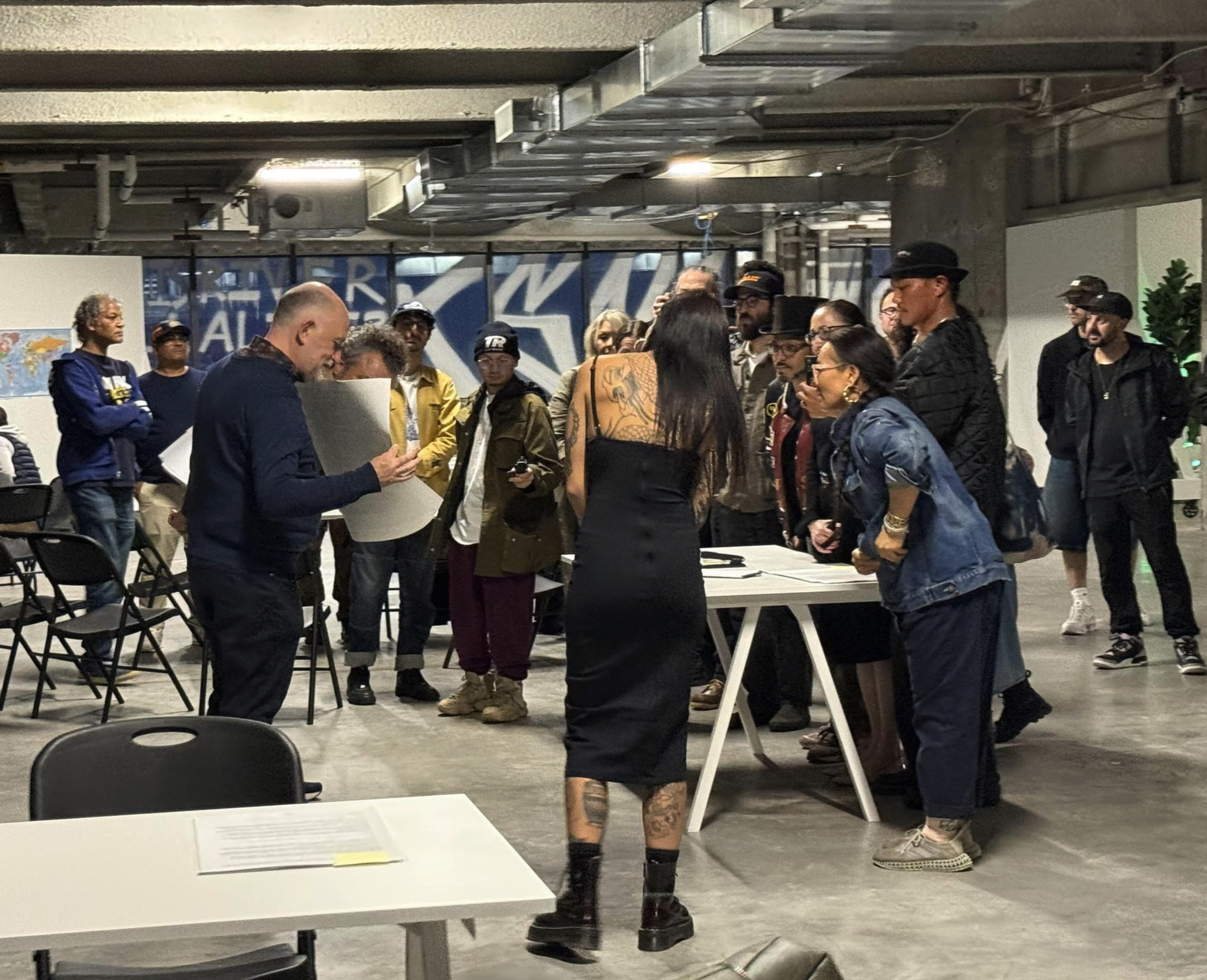
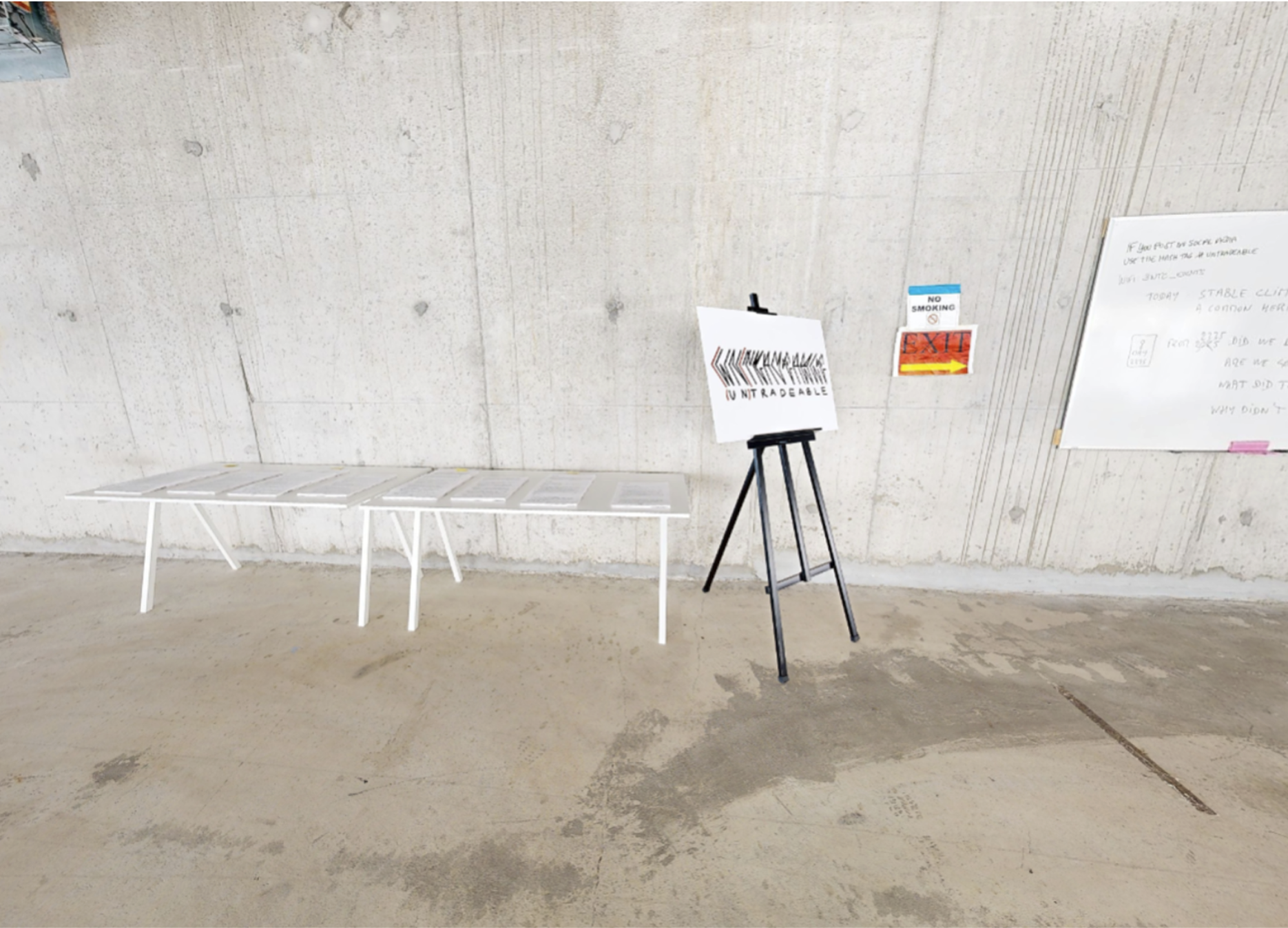
In this special issue of Cybernetics and Human Knowing, we are also pleased to include the collaborative project (un)Tradeable, an interdisciplinary work by “Eneri” and João Correia. The project is a fictional organization—a conceptual think tank—dedicated to researching, disseminating, and enacting change around issues that should remain beyond negotiation in life.
Through visual, performative, and dialogical practices, and headquartered at the World Trade Center in Manhattan, New York, the installation offers a layered meditation on ancestry, systemic inequality, planetary crisis, and the limits of commodification. Drawing on Afro-Brazilian spiritual traditions, urban resistance, and cultural theory, the project invites us to reimagine our relationship with the past, the future, and our shared present.
Irene Avramelos, a street artist from São Paulo, Brazil, known as Eneri—her name spelled backward—is one of the most expressive and active female voices in the Brazilian pixo movement. She began attending pixo gatherings in her youth, drawn to the vitality of the baile funk, reggae, and rap scenes, before actively marking the city’s walls herself from 2013 onward. A practitioner of Quimbanda, her work stands at the intersection of spiritual embodiment, challenging not only the physical limits of the city but also the gendered boundaries within both street culture and institutional art. She was part of the first all-female vertical climb between building windows and was the first woman in her movement invited to work abroad. Since 2020, engaging themes of feminism, inequality, and decolonization, her practice has expanded from street walls to screens, videos, and installations at art institutions such as the Museu da Língua Portuguesa (São Paulo, Brazil), Museu da República (Brasília, Brazil), Palais de Tokyo (Japan), Palais Immersif (Paris, France), the Biennale of Bonifacio (Corsica, France), and the World Trade Center (New York, USA).
João Correia is a Brazilian art historian and researcher whose work bridges historical scholarship, cultural practice, and systemic inquiry. He holds degrees with distinction in Art History and History from the Open University in London and completed a specialization in the history of the art market at Sotheby’s Institute of Art. Correia later earned a master’s degree with distinction (cum laude) in Cultural Leadership from the Royal Academy of Arts (United Kingdom) and Maastricht University (Netherlands).
He is the founder of Collezionista, a project that examines the intersection of collecting and cultural leadership, and the creator of Olhar Contemporâneo (Contemporary Gaze), an educational platform on contemporary art that has reached more than 25,000 students.
Correia’s practice is grounded in the concept of world-making—the belief that art is not merely reflective but generative, reshaping how individuals think, live, and relate to one another. Through this lens, he investigates the role of art within broader sociopolitical systems, positioning cultural production as a space for critique and transformation.
In 2025, Correia and Eneri, with the support of Dara McQuillan, co-created (un)Tradeable, a large-scale participatory artwork presented at the World Trade Center in New York City. The project reflects their ongoing commitment to systemic change through aesthetic engagement, demonstrating the possibilities of collaboration across social, geographic, and disciplinary boundaries.
Translating ideas into visible, tangible, and transformative forms, the project is structured around several components:
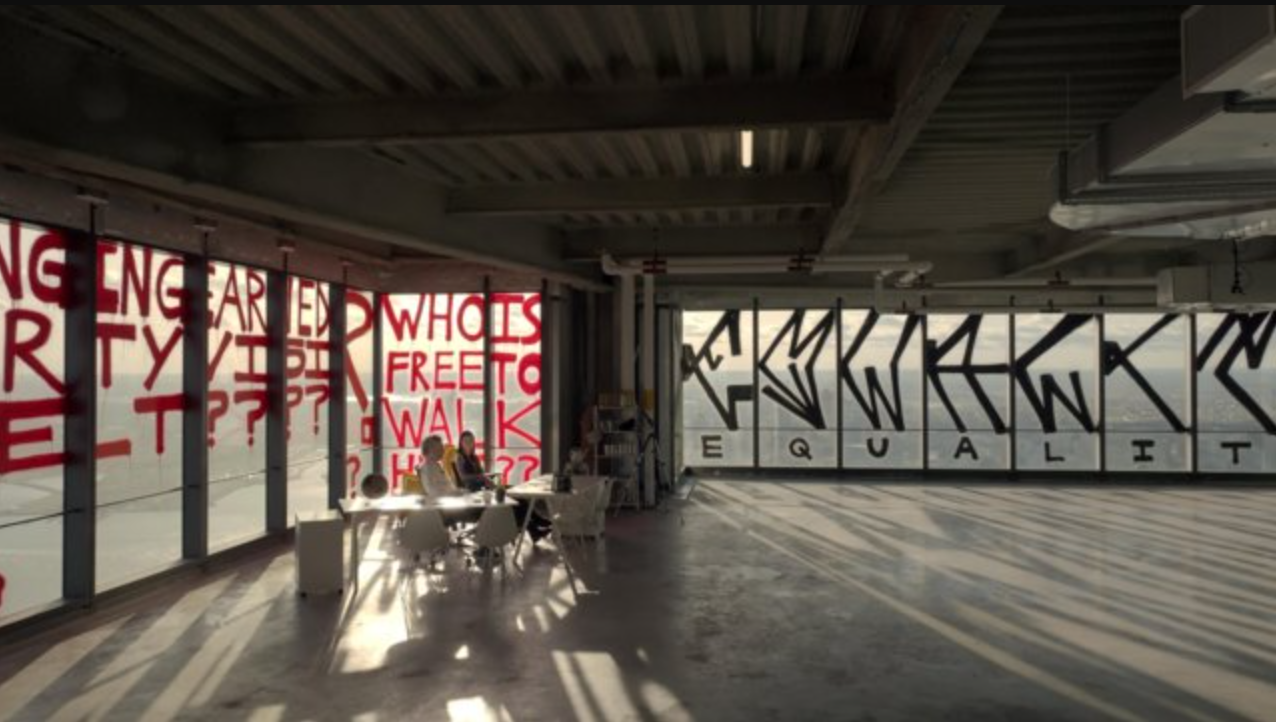
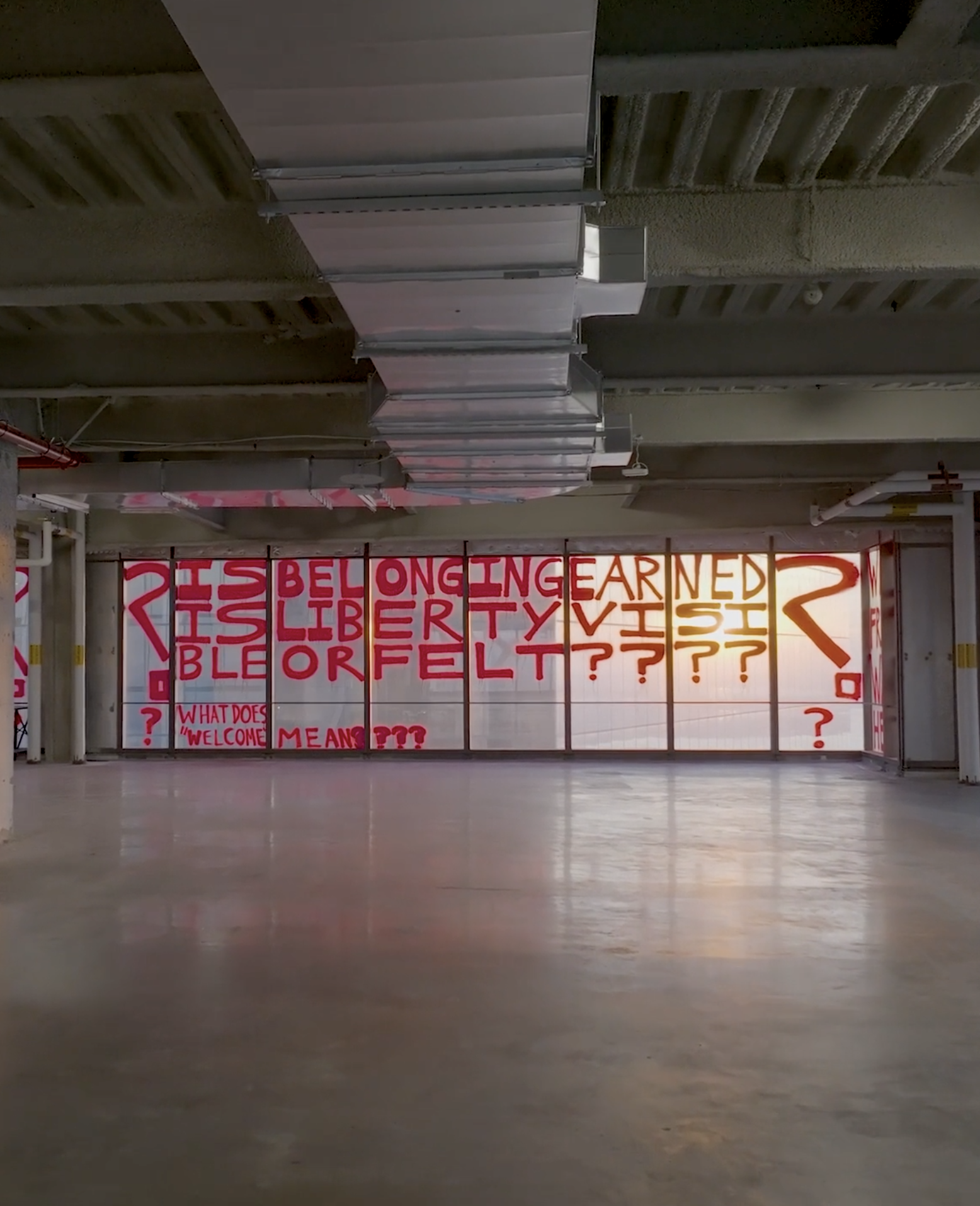
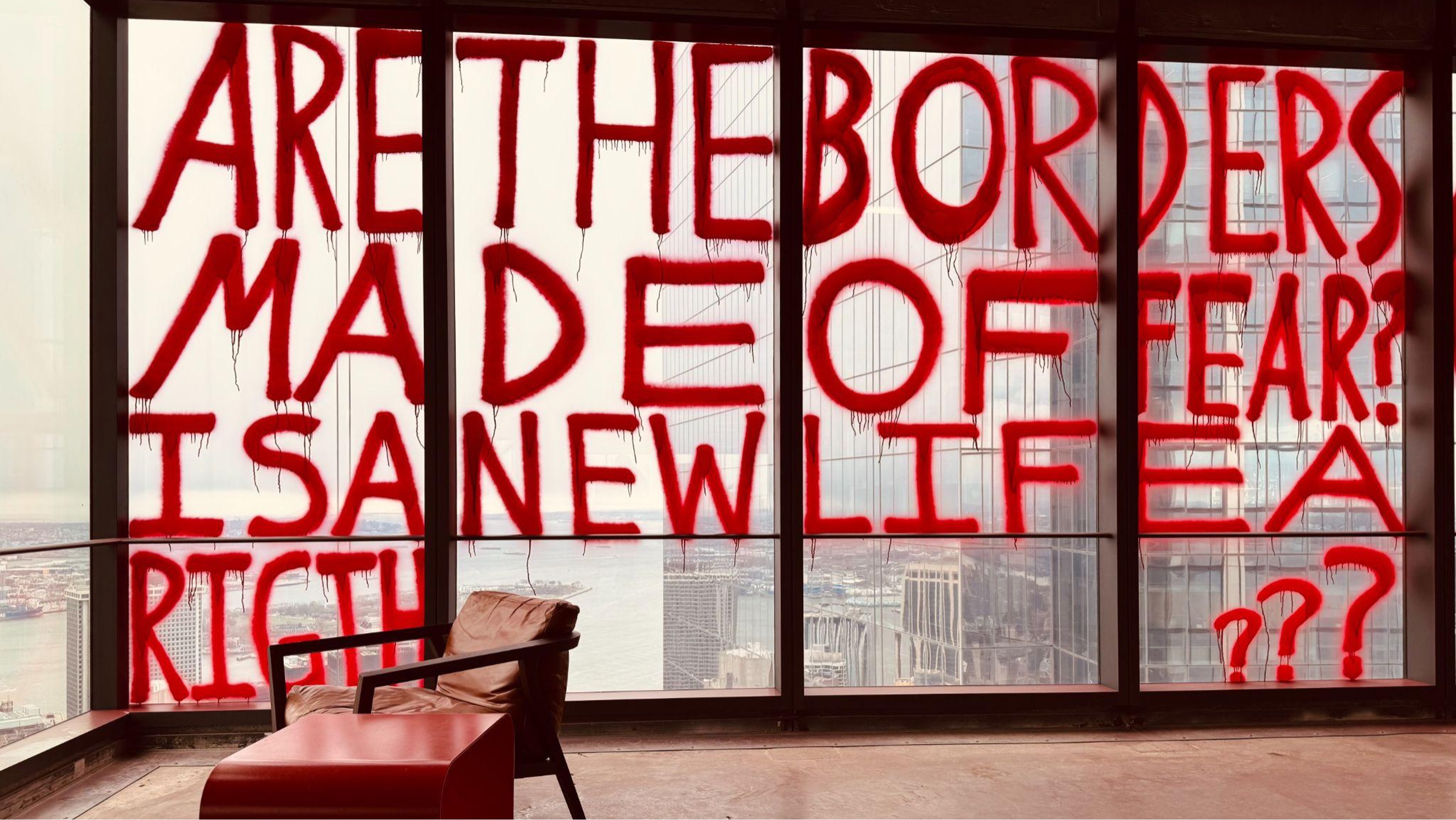
Landscape of Ideas. Protest-style sentences invite visitors to engage with the skyline as a landscape of reflection. Questions such as Is this river still alive?, Is inequality just a word?, and Is belonging visible or felt? prompt an encounter with 21st-century challenges through critical imagination.
From Written Words to Spoken Words. An activation program woven into the installation invites visitors into a participatory process triggered by the window letterings and a variety of dialogue architectures—from Socratic to fictional trial—offering a renewed aesthetic experience of pixo, where written words evolve into spoken démocratique experiments. Developed with the support of Yves Mathieu and Missions Publiques, who curated a network of Catalyst Partners—including the Apolitical Foundation, Berggruen Institute, Civix, Common Home of Humanity, Culture & Democracy Forum, Global Coalition for Inclusive AI, and Sustainable Ocean Alliance—this component culminates in Performing Change, when inputs from these dialogues are integrated into the partners’ research agendas and public programs.
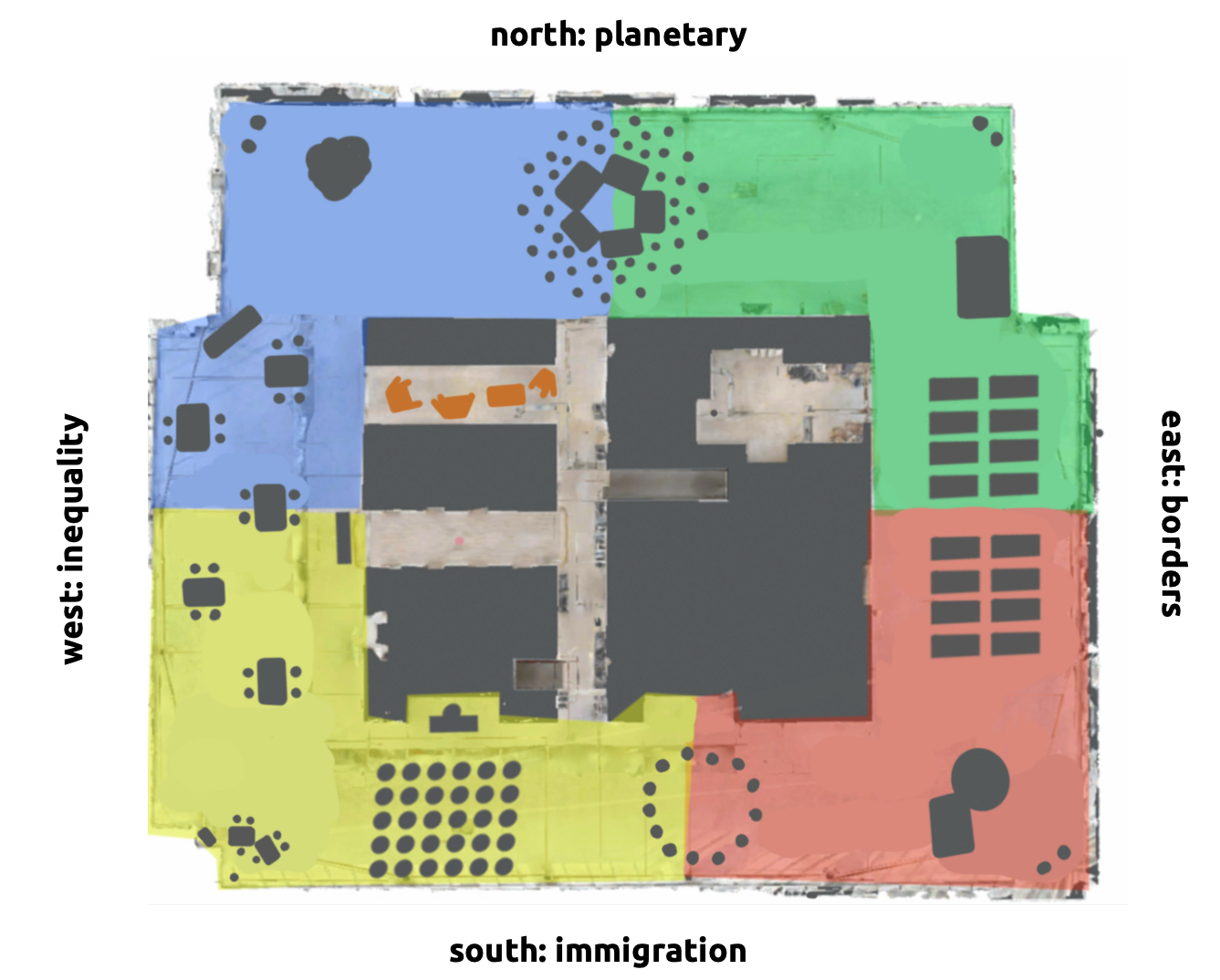
AI Conversation Archives. A geographic exploration across the North, South, West, and East of Manhattan, in which the authors engage in dialogues with AI to unpack the core themes of (un)Tradeable—planetarity, immigration, inequality, and borders. These exchanges juxtapose human and non-human perspectives, revealing how artificial intelligence can surface latent narratives embedded within each zone. Here, cognition is activated not only through language, but also through memory, ritual, presence, and speculative imagination. In this way, (un)Tradeable extends meaning-making beyond conventional semiotic systems, offering a synthesis of embodied and computational ways of knowing. Virtual tour available at: https://show.tours/artwtctower3fl70_966723
In May 2025, (un)Tradeable was presented at the Art For Tomorrow conference, organized by the Democracy & Culture Foundation within the context of the Triennale di Milano. Under the overarching theme Overcoming, Together, and coinciding with the Triennale’s own focus on Inequality, the project was introduced in a session titled What is (un)Tradeable? Eneri and João Correia offered a reflection on how artistic interventions rooted in world-making practices can exceed the realm of representation to actively reconfigure the aesthetics of the real. Their presentation foregrounded the role of embodied, situated, and dialogical approaches to systemic transformation, highlighting how the project’s focus on planetary boundaries, migration, and inequality contributes to ongoing efforts to reconceive the terms of coexistence in a fractured world.
As we reflect on the pre-semiotic foundations of cognition and the cultural processes through which meaning emerges, (un)Tradeable—as documented in the images featured throughout this issue—reminds us that knowing extends beyond linguistic expression. It resides in gesture, absence, collective memory, and the traces left by those who move through—and contest—the systems shaping our world. This project serves both as a contribution to and a provocation within the broader conversation on aesthetics, ethics, and epistemology. It offers a situated, experimental response to the theme of this issue, Semiotics, Cognition, and Culture, expanding the epistemic horizons of what counts as knowledge and how it can be performed, embodied, and shared.
In this spirit, we’re pleased to welcome guest poet Paul Bukovec, whose writing brings to light the kind of knowing that lives in everyday lives and hard-won experience. Raised in a working-class North Jersey neighborhood and shaped by the political energy of the 1960s, Bukovec’s early path took him from draft resistance to teaching in Zambia. After returning to the U.S., he settled in Philadelphia, where he spent four decades as a psychotherapist, educator, and pioneer